What Is Electrotherapy in Physiotherapy?
You are lying on a treatment bed. The physiotherapist attaches small pads to your knee, turns a dial, and suddenly you feel a gentle buzzing sensation. No needles. No medication. Just a quiet electrical current and somehow, the pain begins to ease.
That is electrotherapy and if it sounds a little mysterious, you are not alone in thinking so.
Electrotherapy is the use of physical energy – electrical currents, sound waves, heat, cold, and mechanical forces to support how the body heals. It sits alongside exercise therapy as one of the two main treatment arms in physiotherapy. Where exercise rebuilds what has been lost, electrotherapy often manages the conditions that make exercise difficult in the first place: pain, swelling, muscle guarding, and poor circulation.
It is not a cure. It is a tool. A well-chosen one, applied at the right moment, can make a significant difference in how quickly and comfortably someone recovers.
What Does “Modality” Mean?
In physiotherapy, the word modality simply means a type of treatment method. Think of it like this: a carpenter has a toolbox. Inside are a hammer, a screwdriver, a saw. Each tool exists for a different job. Electrotherapy modalities work the same way – TENS, ultrasound, heat, cold, each one addresses a different aspect of injury or dysfunction.
Why Pain and Injury Sometimes Need More Than Exercise
When you first injure yourself or when a long-standing condition flares up, the body launches an inflammatory response. Inflammation is the body’s emergency repair system. It rushes blood and immune cells to the damaged area. This causes swelling, warmth, redness, and pain.
In the short term, this is useful. The body is protecting itself.
But sometimes inflammation stays too long. Muscles tighten around the painful area to guard it. Blood flow becomes restricted. The pain itself starts to interfere with sleep and movement. At this point, asking someone to “just do their exercises” often does not work. They cannot move comfortably enough to get the benefit.
This is precisely where electrotherapy steps in. It creates the physiological conditions – reduced pain, better circulation, calmer muscles that allow rehabilitation to actually happen.
The Main Electrotherapy Modalities Explained
TENS – Transcutaneous Electrical Nerve Stimulation
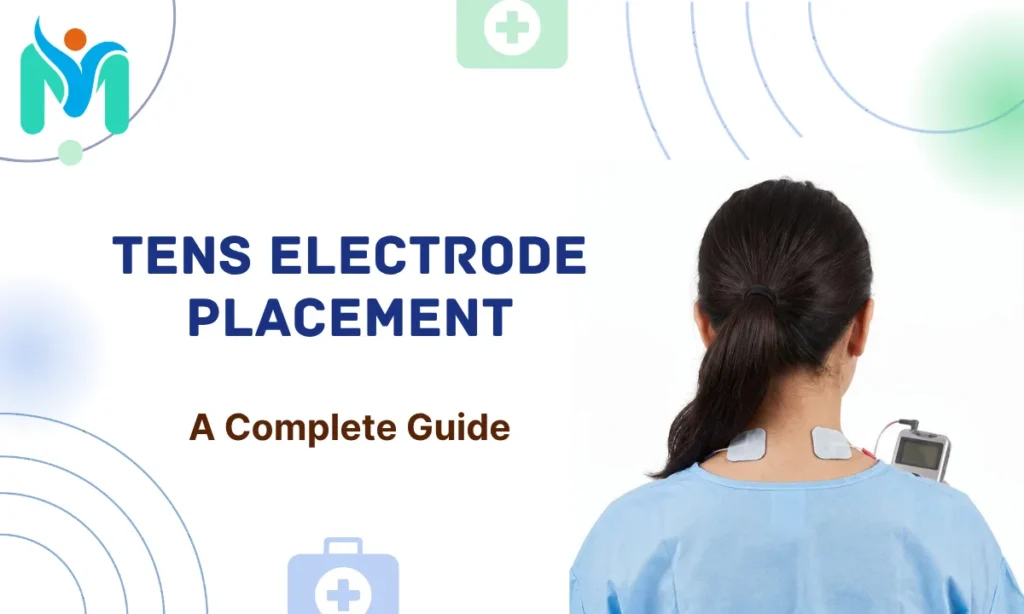
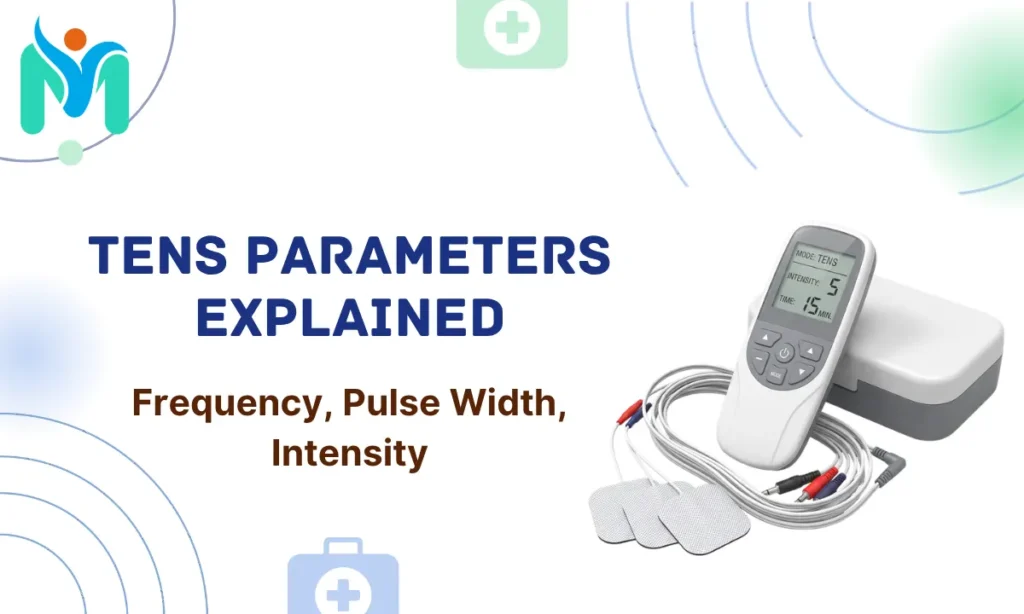
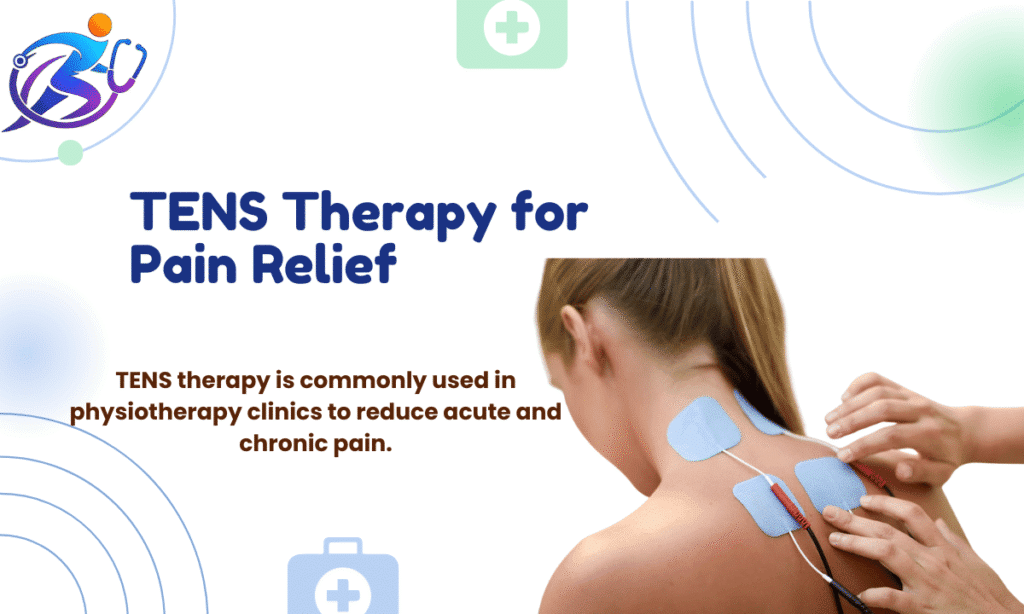
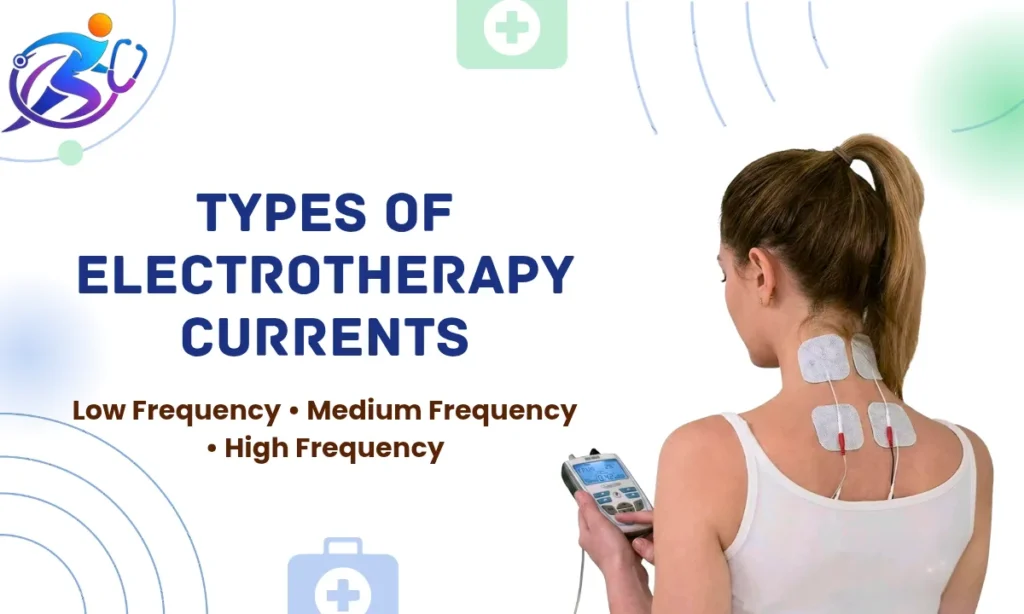
TENS is probably the most widely recognised form of electrotherapy. Small adhesive electrodes (sticky pads) are placed on the skin near the painful area. A device sends gentle electrical pulses through the skin to the nerves underneath.
So how does a buzzing current reduce pain? There are two main explanations, and both matter.
The first is called the gate control theory. Think of your spinal cord as a doorway through which pain signals travel to the brain. TENS works by sending competing electrical signals that essentially crowd out the pain messages – closing the gate before they arrive. The brain registers the buzzing sensation instead of the pain.
The second mechanism involves endorphins – the body’s own natural painkillers. Higher-frequency TENS pulses appear to stimulate the release of these chemicals, which can suppress pain for a period after the treatment ends.
TENS is commonly used for:
- Chronic low back pain
- Knee osteoarthritis (where the cushioning cartilage inside the knee gradually breaks down)
- Neck pain
- Post-surgical pain management
- Conditions involving nerve-related pain
A Cochrane review found that TENS showed meaningful pain reduction compared to placebo (a dummy treatment with no real effect) in people with chronic musculoskeletal pain, though the quality and duration of benefit varies between individuals.¹
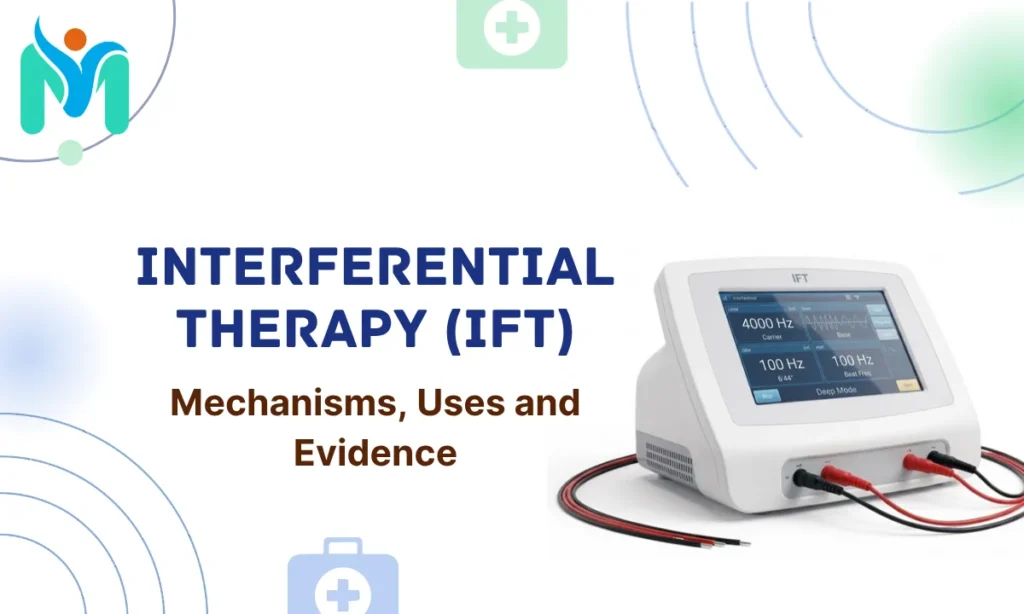
IFT – Interferential Therapy
IFT looks similar to TENS from the outside – electrodes on the skin, a machine, electrical pulses. But the technology underneath is different, and so is the depth of treatment.
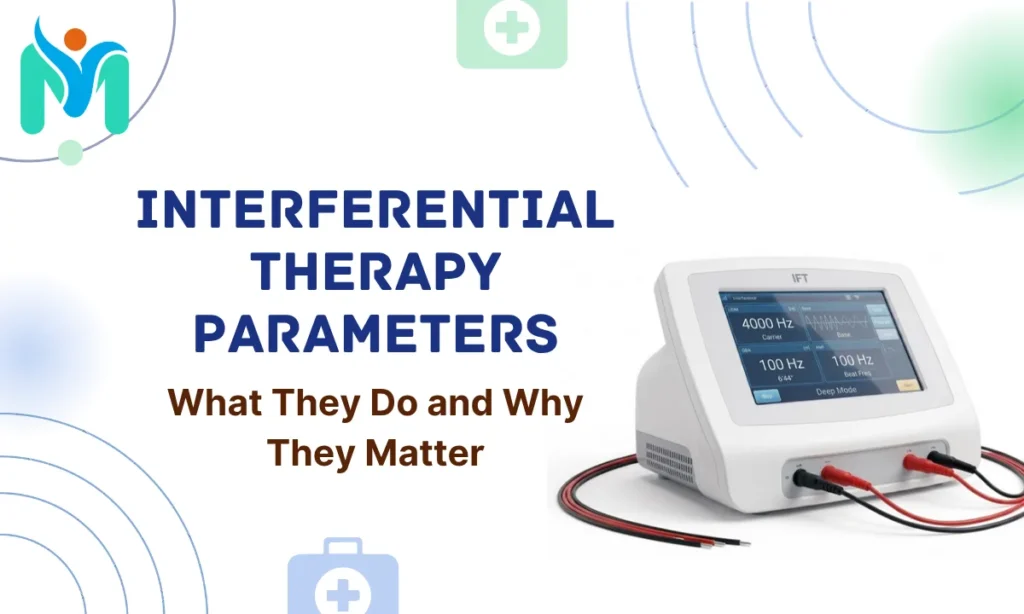
IFT uses two separate medium-frequency electrical currents that cross each other inside the body’s tissues. Where they intersect, they create a third, lower-frequency current – the “interference” the treatment is named after. This beating frequency is what actually does the therapeutic work.
The advantage of this approach is depth. Low-frequency currents applied directly to the skin are uncomfortable at intensities needed to reach deeper tissues. IFT bypasses this problem. The medium-frequency currents pass through the skin with minimal resistance, then interact deeper in the tissue at a clinically useful frequency.
IFT is often chosen when:
- Deeper muscles or joints need treatment
- Swelling and oedema (fluid that builds up in tissues after injury) needs to be reduced
- Pain is widespread across a larger area
- Muscle spasm (an involuntary, sustained muscle tightening) is present
Ultrasound Therapy
When most people hear “ultrasound,” they think of pregnancy scans. Therapeutic ultrasound works on entirely different principles and is not used for imaging.
A handheld probe emits high-frequency sound waves. These waves pass through the skin into the underlying soft tissues. The body cannot hear them – they are far above the range of human hearing. But the tissues respond to them in two important ways.
Thermal effects: The sound waves cause molecules in the tissue to vibrate. This generates gentle heat deep within muscle and connective tissue – more targeted than a hot pack applied to the surface. This warmth increases tissue extensibility (the ability to stretch) and speeds up the chemical processes involved in healing.
Non-thermal effects: At certain settings, ultrasound creates tiny pressure changes in tissue fluid called cavitation – the rapid formation and collapse of microscopic bubbles. This appears to stimulate cell activity, particularly in the early stages of tissue repair, even without significant heat generation.
Ultrasound therapy tends to be used for:
- Soft tissue injuries (tendons, ligaments, muscle tears)
- Chronic inflammatory conditions
- Scar tissue that has become tight and restrictive
- Trigger points – those stubborn, knotted areas in muscle that refer pain elsewhere when pressed
Research on therapeutic ultrasound is ongoing, and evidence quality varies between conditions. It appears most beneficial when carefully matched to the stage of healing and the tissue type involved.²
Heat Therapy: More Than Just a Hot Water Bottle
Heat has been used in healing for centuries. In clinical physiotherapy, it is applied in controlled, specific ways that go well beyond what you can achieve at home.
How Heat Helps the Body
- Widens blood vessels, improving circulation to the area
- Reduces muscle tightness and spasm
- Increases tissue flexibility before stretching or mobilisation
- Has a direct calming effect on pain-sensing nerve endings
Forms of Heat Therapy Used in Physiotherapy
Hot packs and hydrocollator packs – Canvas or silicone pouches kept in thermostatically controlled hot water units. Applied to the body through layers of towelling to allow gradual, even heat transfer. Commonly used before manual therapy or exercise to loosen stiff tissues.
Wax bath therapy – The hand or foot is dipped repeatedly into a tank of warm, melted paraffin wax. The wax sets around the joint, holding heat close to the surface for an extended period. Particularly valuable for people with hand stiffness related to rheumatoid arthritis (a condition where the immune system mistakenly attacks the joints, causing pain and swelling) or stiffness after hand surgery.
Infrared lamps – Radiant heat delivered to a body surface from a distance. Useful for large surface areas where physical contact is uncomfortable. Less commonly used today but still found in some clinical settings.
Heat is not appropriate for all situations. Acute injuries (fresh, recent damage within the first 48–72 hours), open wounds, and areas with impaired sensation should not be treated with heat.
Cold Therapy: When Ice Is the Right Answer
Cold therapy (also called cryotherapy) works in the opposite direction to heat, but is equally important.
Applying cold to an injured area:
- Narrows blood vessels, reducing blood flow and limiting swelling
- Slows down the nerve signals that carry pain to the brain
- Reduces muscle spasm around an acute injury
- Decreases the metabolic activity of damaged cells, limiting further injury in the immediate aftermath of trauma
Cold therapy is particularly valuable in the first 48–72 hours after an acute injury – a sprained ankle, a muscle strain, a direct knock to a joint. This is the phase when the inflammatory response, though necessary, can become excessive and delay recovery if not managed.
In clinical practice, cold is applied using:
- Cold packs or ice packs (always with a barrier between ice and skin to prevent ice burns)
- Cold compression units that combine cold with gentle pressure
- Coolant sprays for brief, localised application
Cold therapy is not appropriate for people with conditions affecting blood flow to the limbs, areas of numbness, or Raynaud’s phenomenon (a condition where cold causes dramatic colour changes and pain in the fingers or toes by triggering exaggerated blood vessel narrowing).
Traction: Decompressing the Spine
Spinal traction involves applying a gentle, controlled pulling force to the spine – usually the neck or the lower back. This decompresses (takes pressure off) the intervertebral discs – the cushioning pads of cartilage that sit between each vertebra (spinal bone).
When a disc is compressed or bulging, it can press on nearby nerves, causing pain that shoots down the arm or leg. Traction creates small amounts of space between the vertebrae, which may reduce disc pressure and relieve nerve irritation.
Traction is not a stand-alone treatment. It tends to be most effective when used as part of a broader rehabilitation programme – reducing pain enough to allow exercise and movement to progress.
What Good Electrotherapy Practice Looks Like
Not every modality is right for every person. Choosing the wrong tool or applying the right tool at the wrong stage of healing – can at best waste time and at worst delay recovery.
A competent physiotherapist will assess:
- The stage of healing (acute, subacute, or chronic)
- The tissue type involved (muscle, tendon, nerve, bone)
- Any contraindications – reasons a particular treatment should not be used
- The patient’s overall health and any other conditions that might affect treatment
Electrotherapy works best as part of a complete plan. It reduces pain. It calms inflammation. It prepares the body. But the lasting changes – the rebuilt strength, the restored movement, the improved function – those still require exercise, time, and consistency.
Important Safety Note
Electrotherapy devices used in physiotherapy are medical equipment. They are not the same as consumer TENS machines sold in pharmacies, though some overlap exists. Clinical devices are more powerful, more precisely adjustable, and are operated by trained practitioners.
If you are considering electrotherapy, it should always be assessed and delivered or closely supervised by a qualified physiotherapist or healthcare professional. There are real contraindications to these treatments, including:
- Pregnancy (certain areas and modalities must be avoided)
- Fitted cardiac devices like pacemakers
- Active cancer in the treatment area
- Impaired skin sensation
- Thrombosis (blood clots in the deep veins)
This is not a list to cause alarm. It is simply a reminder that these are genuine medical treatments, not wellness gadgets and deserve the same respect as any other clinical intervention.
All electrotherapy content on MystPhysio is provided for educational purposes only. It does not replace professional medical advice, diagnosis, or individual treatment planning.
Frequently Asked Questions (FAQs)
For certain conditions, yes – with the best evidence available for TENS in chronic pain management and ultrasound in soft tissue injury. Evidence strength varies by modality and condition. A good physiotherapist will only recommend treatments that are clinically justifiable for your situation.
In most cases, no. TENS and IFT feel like gentle buzzing or tingling. Therapeutic ultrasound usually produces no sensation at all, or mild warmth. Wax baths feel comfortably warm. If anything feels sharp, burning, or uncomfortable, the treatment should be stopped immediately.
This is entirely dependent on the condition. Some people notice improvement after a few sessions. Others with chronic conditions may benefit from ongoing use as part of a longer programme. Your physiotherapist should give you a realistic timeframe based on your specific situation.
Consumer TENS devices are available and generally safe for most healthy adults managing mild to moderate pain. However, for acute injuries or complex conditions, it is worth having your pain assessed professionally before self-treating. The wrong current settings applied to the wrong area will not help and some situations require a clinical assessment first.
Heat therapy works primarily at the surface – warming skin and the tissue just beneath it. Therapeutic ultrasound reaches deeper structures – tendons, joint capsules, muscle bellies that surface heat cannot penetrate effectively.
No. Electrotherapy manages symptoms. Exercise rebuilds function. They are most effective when used together as part of a structured rehabilitation plan.
Start Learning About the Tools That Support Recovery
Understanding what is being used on your body and why changes your relationship with treatment. You stop being a passive recipient and start being an active participant in your own recovery.
Explore the MystPhysio Electrotherapy & Modalities section to learn how each tool works, when it is used, and what you can realistically expect from it.
Consult your physiotherapist or doctor for a personalised assessment before starting any electrotherapy treatment.
Related Articles
TENS Therapy in Physiotherapy: Uses, Benefits & Pain Relief
A patient once sat across from me, rubbing her lower back, and asked something I hear fairly often: “Is there…
Read Article →
Low vs Medium vs High Frequency Currents in Electrotherapy – Clinical Differences Explained
If you have ever sat in a physiotherapy clinic with sticky electrode pads on your skin, you have already experienced…
Read Article →